
Safety Data Sheet (SDS) Preperation
SDS Preparation service for chemical products and hazardous mixtures. Comply with CLP, REACH, and EU regulations…
€ 100.00
View




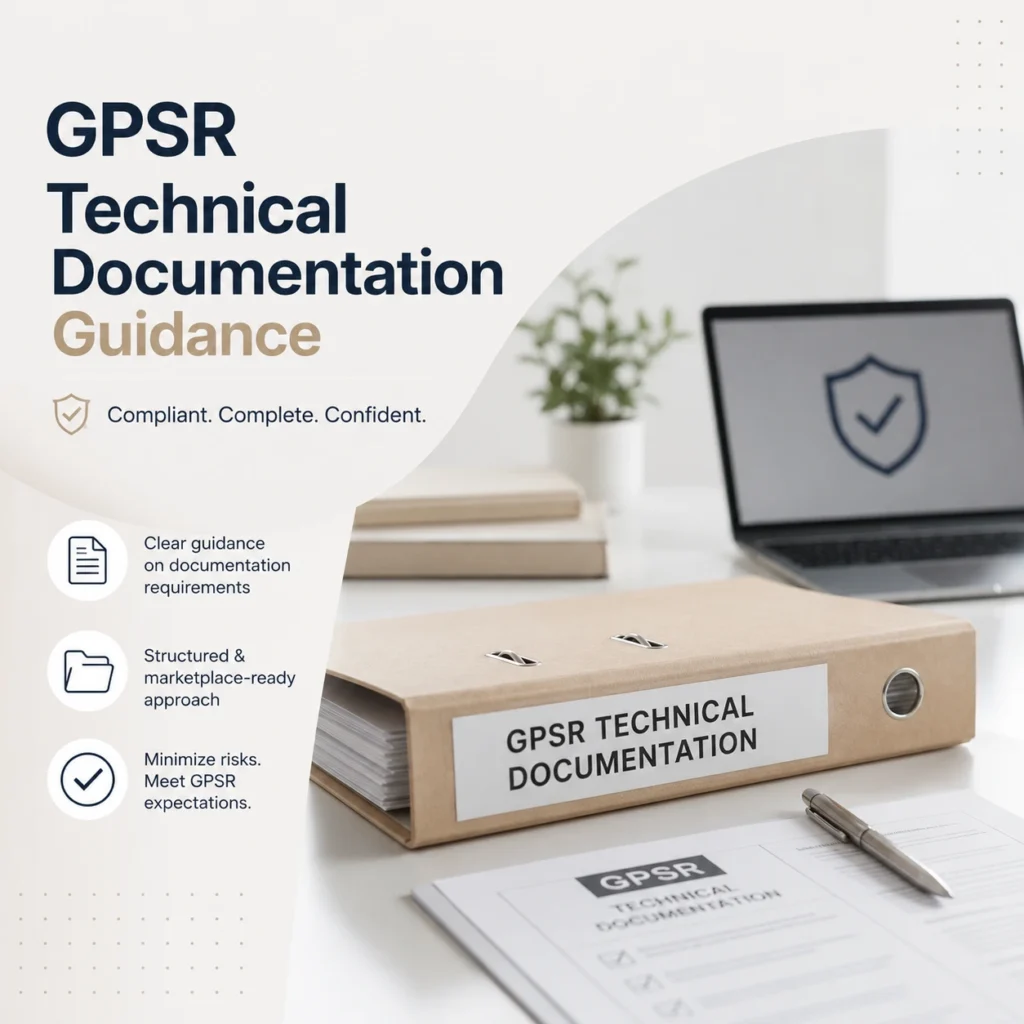
The internal risk analysis and technical documentation the General Product Safety Regulation requires you to hold — structured for your actual product range, so that when an authority or a marketplace asks, you can produce it.
€ 250.00
We look at what you sell, which sector rules already bite, and where the GPSR fills the gaps.
We build the risk analysis and the documentation structure against your products.
You receive the file structure, the method, and the traceability and incident-response requirements that apply to you.
The General Product Safety Regulation (EU) 2023/988 replaced the old General Product Safety Directive and has applied since 13 December 2024. Two things make it different from what came before: it is a regulation, so it applies directly and identically in every member state, and it puts the burden of documentary proof squarely on you.
The core obligation is in Article 9: before placing a product on the market you must carry out an internal risk analysis and hold technical documentation demonstrating that the product is safe. There is no filing, no approval, no certificate. There is only the file — and the day an authority or an online marketplace asks to see it.
Manufacturers, importers and distributors placing consumer products on the EU market. In practice the most common trigger is an online marketplace writing to a seller and asking them to evidence GPSR compliance, with delisting as the alternative.
 GPSR Technical Documentation Guidance
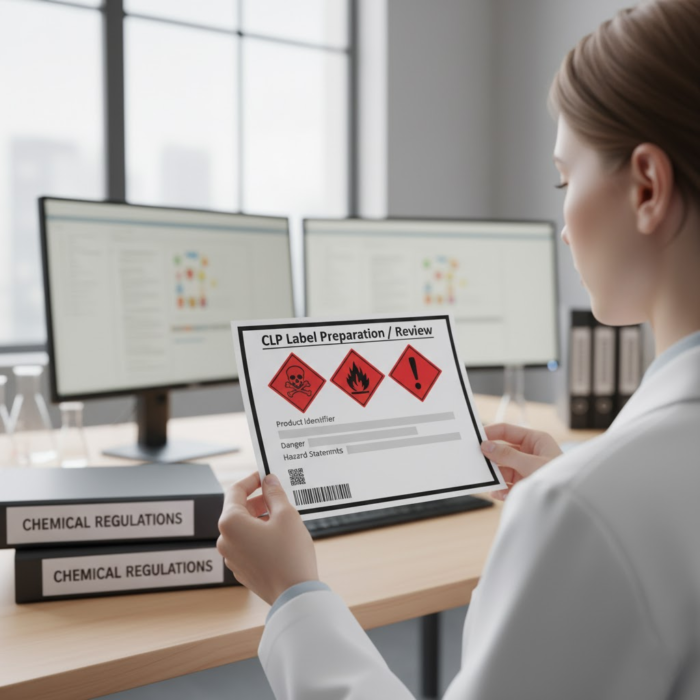
If any of your range is a hazardous mixture, GPSR documentation is not enough on its own — CLP classification, labelling and poison centre notification apply too.


Reviews
There are no reviews yet