


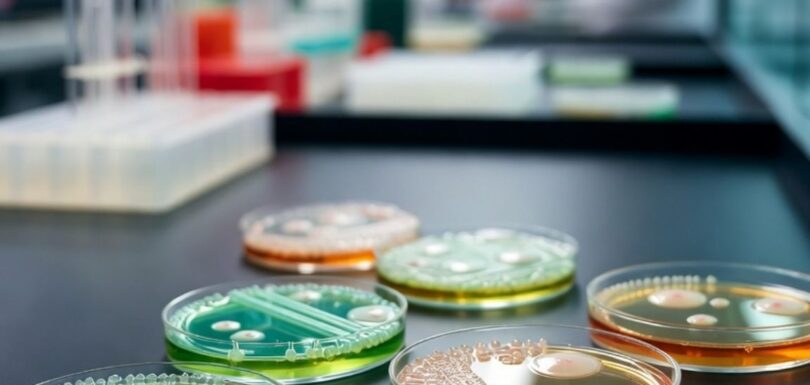
Microbiological testing is a fundamental part of cosmetic safety and quality control. Cosmetic products, especially those that contain water, can support the growth of microorganisms if they are not properly controlled.
This testing ensures that cosmetic products are free from harmful microbes and remain microbiologically stable throughout their shelf life. It protects consumer health while preserving product quality and integrity from production to final use.
Protecting Consumer Health
The primary objective of microbiological testing is to prevent health risks caused by contaminated cosmetic products. Microbial contamination may occur during raw material handling, manufacturing, filling, or consumer use.
Finished product testing focuses on detecting specific pathogenic microorganisms such as Pseudomonas aeruginosa and Staphylococcus aureus. Even a single colony-forming unit of these pathogens makes a product unsafe, as they can cause serious skin, eye, or respiratory infections.
In addition to pathogens, testing measures overall microbial levels. The Total Aerobic Microbial Count and the Total Yeast and Mould Count must remain below defined regulatory limits. These limits ensure that the general microbial quality of the product is acceptable and safe for consumer use.
Maintaining Product Integrity and Quality
Microbial contamination affects more than consumer safety. It also compromises the physical and chemical stability of the cosmetic product.
Uncontrolled growth of yeasts and molds can degrade ingredients and destabilize formulations. This may lead to changes in texture, color, odor, or pH, as well as phase separation or gas formation. Microbiological testing helps prevent these forms of spoilage and ensures that the product maintains its intended appearance and performance.
Routine testing also confirms that Good Manufacturing Practices are effective. It verifies that production hygiene and packaging systems adequately protect the product from microbial ingress before it reaches the consumer.
The Role of the Challenge Test
The Challenge Test, also known as Preservative Efficacy Testing, is a critical component of cosmetic microbiological assessment. Standard microbiological tests confirm product cleanliness at the time of manufacture, but they do not evaluate protection during use.
The Challenge Test simulates real-life consumer exposure by intentionally introducing microorganisms into the product. It then measures the ability of the preservative system to eliminate these microbes and prevent regrowth over time, including throughout the Period After Opening.
This test confirms that the preservative system provides ongoing protection under normal and foreseeable conditions of use.
Why Microbiological Testing Is Essential
Comprehensive microbiological testing ensures that cosmetic products meet global safety standards and regulatory requirements. By combining pathogen screening, microbial count limits, and preservative system validation, manufacturers demonstrate a strong commitment to consumer safety and product quality.
Effective microbiological control protects both the user and the brand by ensuring that cosmetic products remain safe, stable, and fit for use from manufacturing through final application.
Reduce contamination risks and avoid regulatory issues. Let our team manage your cosmetic microbiological testing process. Contact us!