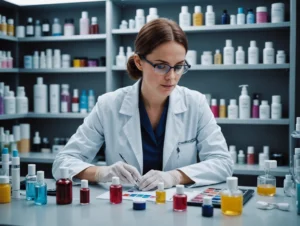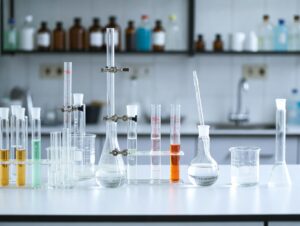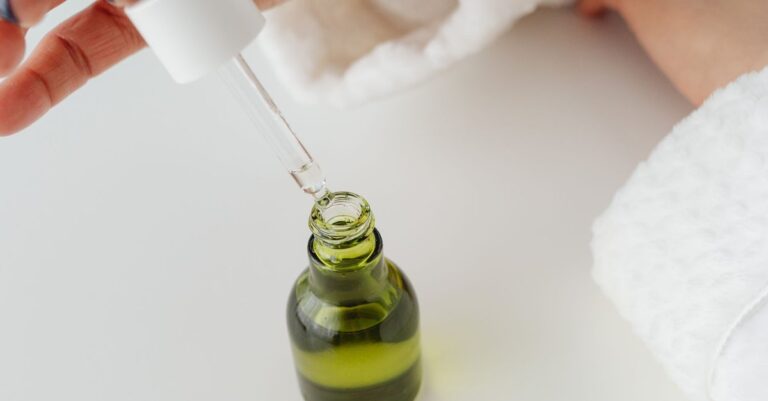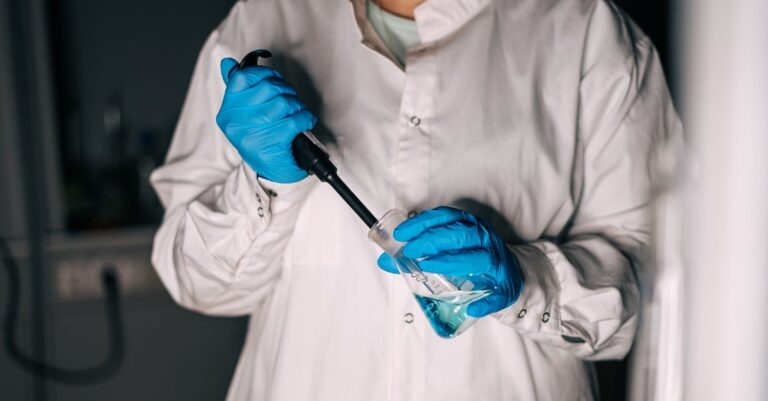




The safety of a finished cosmetic product depends on robust and validated cosmetic laboratory testing. Regulatory frameworks, especially the EU Cosmetic Products Regulation (EC) No 1223/2009, require the Responsible Person to ensure that every product placed on the market is safe for human health under normal and reasonably foreseeable conditions of use.
To meet this obligation, manufacturers must perform a combination of physical, chemical, and microbiological tests. Together, these tests provide objective evidence that the product remains safe, stable, and suitable for consumer use throughout its lifecycle.
Microbiological Stability and the Challenge Test
Microbiological contamination presents a major safety risk, particularly in water-based cosmetic products. To control this risk, laboratories use the Challenge Test to assess microbiological stability.
The Challenge Test, also known as the Preservative Efficacy Test (PET), involves deliberately inoculating a cosmetic product with selected bacteria, yeast, and mold strains. This process simulates contamination that may occur during normal consumer use.
The test evaluates the ability of the preservative system to reduce and control microbial populations over time. Successful results demonstrate that the formulation can protect itself against repeated contamination. This makes the Challenge Test a key element in proving both shelf life and in-use safety.
Stability and Packaging Compatibility Testing
Cosmetic safety also depends on maintaining physical and chemical integrity throughout the claimed shelf life. Stability and compatibility tests confirm that the product remains effective, visually acceptable, and safe under expected storage and use conditions.
Stability testing exposes products to controlled environmental stress conditions, such as high and low temperatures, light exposure, and humidity. Typical test conditions include storage at 4°C and 45°C for periods of three to six months. During testing, laboratories monitor changes in viscosity, color, odor, pH value, and emulsion stability.
Compatibility testing focuses on the interaction between the cosmetic formulation and its packaging. These tests assess whether packaging materials, such as jars, bottles, or pumps, affect product quality or safety. The goal is to ensure that the packaging does not release substances into the product or trigger chemical reactions with the formulation.
Safety and Tolerability Assessment
The final stage of cosmetic safety evaluation confirms that the product does not cause adverse effects when applied to the skin. Because EU legislation bans animal testing for cosmetics, laboratories must rely on alternative test methods.
In vitro safety tests assess the potential for skin or eye irritation using validated laboratory models. These tests provide critical safety data before human testing begins.
Human patch tests evaluate skin tolerability under controlled clinical conditions. During these studies, trained professionals apply the product to volunteers using standardized protocols. The results help identify irritation or sensitization risks and support claims such as “dermatologically tested” or “suitable for sensitive skin.”
Laboratory testing may also assess the stability and performance of active ingredients. Although these studies focus on efficacy rather than safety, they help ensure that the product delivers consistent benefits throughout its usable life.
Building a Comprehensive Cosmetic Safety Assessment
A reliable cosmetic safety assessment integrates microbiological Challenge Test results with stability, compatibility, and human tolerability data. This comprehensive laboratory testing strategy protects consumers from microbial contamination, product degradation, and adverse skin reactions. At the same time, it supports regulatory compliance and demonstrates the overall quality and safety of the finished cosmetic product.
Which tests your product actually needs
There is no single mandatory test panel for cosmetics. The Regulation requires the product to be safe and the safety assessor to justify that conclusion, and the testing follows from that — which means the panel is driven by the formulation rather than by a checklist.
The single biggest determinant is whether the product contains water. A water-containing formulation supports microbial growth and normally needs microbiological testing of the finished product plus a preservative efficacy (challenge) test to prove the preservative system works after opening. A genuinely anhydrous product — an oil, balm, wax or powder — has no water phase to protect and can usually be exempted from both, provided the safety assessor documents the justification.
Stability and packaging compatibility testing applies to every product type without exception, because every formulation can separate, discolour, drift in pH or interact with its container. Beyond that baseline, specific products attract specific tests: SPF and UVA testing for sun protection claims, heavy metal analysis for colour cosmetics and lip products, and instrumental or clinical studies wherever a performance claim needs substantiation.
Timelines and what drives the cost
Testing is almost always the critical path in a launch, and it is the item brands underestimate most often. Challenge testing under ISO 11930 runs for 28 days and accelerated stability typically for around twelve weeks, and those clocks cannot be compressed. Add laboratory scheduling and reporting, and a realistic testing phase runs to several months before the safety assessment can even begin.
Cost scales with the number of distinct formulations rather than the number of SKUs. Shades of a lipstick built on one base often share much of their testing, whereas five genuinely different formulas mean five sets of tests. This is why product-range planning has a direct effect on compliance budget: consolidating onto fewer base formulas reduces testing cost far more than negotiating laboratory rates.
Two sequencing mistakes are expensive. Testing a formulation that has not been finalised means repeating the work when it changes, and testing in laboratory glassware rather than the final packaging means the stability data cannot support the shelf life or Period After Opening you intend to print.
Choosing a laboratory
Test results are only as useful as the laboratory that produced them, because the safety assessor has to rely on them and an authority may scrutinise them. Look for accreditation to ISO/IEC 17025 for the specific methods being used — accreditation is granted per method, not to the laboratory as a whole.
Reports should state the standard applied, the method, the sample identification and batch, the storage conditions, the dates and the acceptance criteria. A result without a documented method behind it is difficult to defend and may not be accepted as adequate evidence in the Product Information File.
Send enough sample material in final packaging, keep retained samples from the same batch, and make sure the batch tested matches the batch documented elsewhere in the file. Traceability between the formulation, the tested batch and the safety report is exactly what an inspection checks.
Frequently asked questions
Is laboratory testing legally required for cosmetics?
The Regulation does not list specific mandatory tests. It requires a safety assessment supported by adequate evidence, and in practice that evidence cannot be produced without testing. The assessor determines which tests are needed for the particular product.
Can I use my supplier’s test results instead of my own?
Raw material data from suppliers is essential and belongs in the file, but it relates to the ingredient, not your finished product. Stability, microbiological and challenge testing must be done on your formulation in your packaging.
Does animal testing apply to any of this?
No. Animal testing for cosmetic purposes, and the marketing of cosmetics tested on animals, is prohibited in the EU. All the testing described here uses in-vitro, instrumental or human volunteer methods.
Do I need to retest when I change the fragrance?
Usually yes, at least in part. A fragrance change alters the formulation and can affect both stability and preservative efficacy, so the assessor will normally require the affected tests to be repeated and the allergen declaration recalculated.
Stay compliant with EU Regulation 1223/2009 through validated cosmetic testing. Get professional support now. Contact us!