

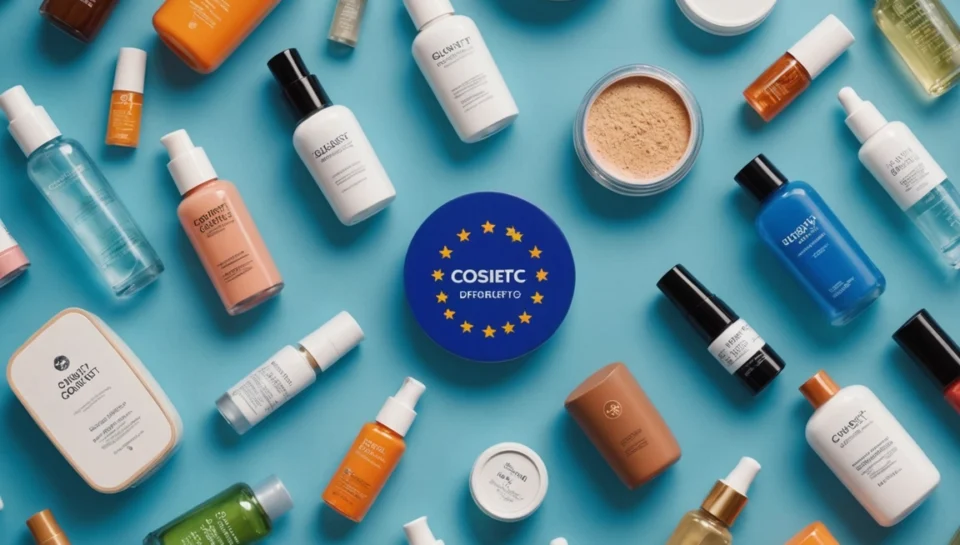
Beyond Cosmetic Regulation (EC) No 1223/2009, cosmetic products placed on the EU market must also comply with a set of horizontal EU regulations. These rules address product safety, chemical hazards, environmental sustainability, and marketing practices. Together, they form a comprehensive regulatory framework that shapes overall cosmetic compliance in the European Union.
Understanding these horizontal obligations is essential, as non-compliance in any of these areas can result in enforcement actions even if the product fully complies with cosmetic-specific legislation.
Ingredient Hazard Classification Under the CLP Regulation
The CLP Regulation governs the classification of hazardous properties of substances used in cosmetic formulations. While finished cosmetic products are generally exempt from CLP labeling, raw material suppliers must classify substances in line with CLP criteria.
This classification directly impacts cosmetic compliance, as substances classified as carcinogenic, mutagenic, or reprotoxic (CMR) are prohibited or strictly restricted under Regulation 1223/2009 unless the SCCS grants a specific derogation. Accurate CLP classification ensures that the Cosmetic Product Safety Report is based on reliable and standardized hazard data.
Cosmetic Marketing and Claims Compliance Under the Omnibus Directive
The Omnibus Directive, which amends the Unfair Commercial Practices Directive, regulates how cosmetic products are marketed and how claims are communicated to consumers.
This legislation requires transparency in price reductions and explicitly prohibits misleading environmental and sustainability claims. For cosmetic products, this means that all marketing claims must be truthful, substantiated, and verifiable. These requirements align directly with the proof of claims documentation that must be included in the Product Information File.
By enforcing claim substantiation and fair commercial practices, the Omnibus Directive strengthens consumer protection and makes marketing compliance a core element of cosmetic regulatory strategy.
Environmental and Circular Economy Regulations Impacting Cosmetics
EU cosmetic compliance increasingly extends beyond product safety to include environmental responsibility and supply chain transparency. Several regulations address the environmental footprint of cosmetic products throughout their lifecycle.
The Packaging and Packaging Waste Regulation aims to redesign how packaging is produced, used, and disposed of. It introduces mandatory targets for reusable packaging, limits excessive packaging, and imposes design-for-recycling requirements. Manufacturers must also provide clear sorting instructions, often triggering country-specific labeling obligations such as the French Triman symbol.
The EU Deforestation Regulation focuses on raw material sourcing and environmental due diligence. It requires companies to trace certain commodities, including palm oil and soy derivatives commonly used in cosmetics, back to their origin. This ensures that ingredients do not originate from deforested or illegally converted land.
The proposed Green Claims Directive further expands environmental compliance by regulating sustainability-related marketing claims. Once adopted, it will require companies to support any environmental claim with scientific evidence verified by an accredited third party, significantly raising the compliance threshold for terms such as “natural,” “eco-friendly,” or “carbon neutral.”
The Expanding Scope of Cosmetic Compliance in the EU
These horizontal regulations demonstrate that cosmetic compliance in the EU extends far beyond formulation safety. Companies must also address chemical hazard classification, fair marketing practices, packaging sustainability, and responsible raw material sourcing.
Failure to integrate these horizontal requirements into regulatory strategies can expose cosmetic brands to enforcement actions, even when products meet the core requirements of Regulation 1223/2009. A holistic compliance approach is therefore essential for long-term access to the EU cosmetic market.
Ensure full compliance with EU cosmetic regulations beyond Regulation 1223/2009.
Our regulatory experts help you navigate CLP classification, marketing claims, and environmental obligations with confidence. Contact us today.


