


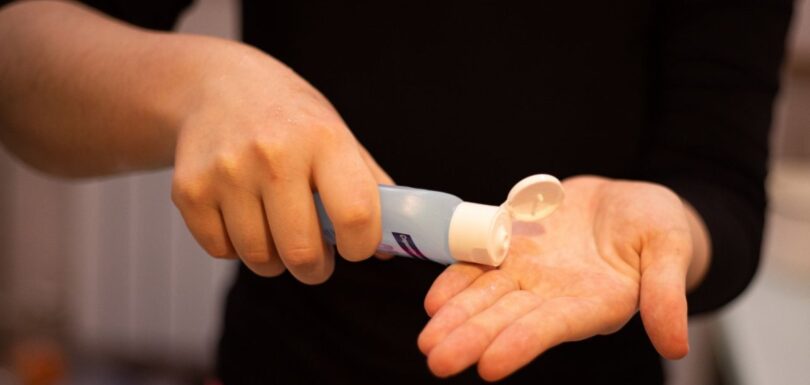
Whether a hand sanitiser is a cosmetic or a biocidal product in the EU is decided by what you claim, not by what is in the bottle. The same 70% ethanol gel can be a cosmetic hand cleansing product or a biocidal product requiring authorisation, depending on whether the pack says it cleanses the hands or says it kills 99.9% of bacteria.
This is the single most expensive borderline decision in personal care, because the two regimes are not comparable in cost or timing. A cosmetic needs a safety assessment and a notification. A biocidal product needs a national or Union authorisation, an active substance sourced from a supplier on the approved list, and efficacy evidence against recognised standards. Brands that launch on the cosmetic route with biocidal claims usually find out when a retailer, a customs officer or a competitor asks for the authorisation number.
Key takeaways
- The claim decides the regime. Disinfection, antibacterial, antiviral and germ killing claims move a product into the Biocidal Products Regulation (EU) 528/2012.
- Hand disinfectants sit in product type 1, human hygiene, and need a product authorisation before they are placed on the market.
- A product presented purely for cleansing and refreshing the hands can remain a cosmetic under Regulation (EC) 1223/2009.
- A product cannot be both. Cosmetic and biocidal are mutually exclusive categories, and the Cosmetic Regulation excludes products whose principal purpose is biocidal.
- The classification also decides the chemical obligations: cosmetics in finished form are outside the scope of CLP, while a biocidal alcohol gel needs CLP hazard labelling, a UFI and a poison centre notification.
- Antibacterial soap and antibacterial hand cream face exactly the same analysis as gel, and the claim is what shifts them.
- National transitional rules still apply while active substance approvals are being completed, so requirements differ by Member State.
How the borderline is drawn
Regulation (EC) 1223/2009 defines a cosmetic product by its purpose: cleaning, perfuming, changing appearance, protecting, keeping in good condition or correcting body odours. Regulation (EU) 528/2012 defines a biocidal product as one intended to destroy, deter, render harmless, prevent the action of or otherwise exert a controlling effect on any harmful organism.
Both definitions can fit an alcohol gel physically. The deciding factor is the principal intended purpose as it is presented to the consumer, assessed from the whole presentation: the product name, the claims, the pictures, the instructions and the marketing around it. A bottle called Hand Cleansing Gel with a moisturising claim reads as a cosmetic. The identical formula called Hand Disinfectant with a log reduction figure reads as a biocide.
| What the pack says | Likely classification | Main obligations |
|---|---|---|
| Cleanses and refreshes hands, leaves skin soft | Cosmetic | Safety assessment, PIF, CPNP notification, cosmetic labelling |
| Kills 99.9% of bacteria and viruses | Biocidal product, PT1 | Product authorisation, approved active source, efficacy evidence, biocide labelling |
| Antibacterial hand wash | Biocidal product, PT1 | As above, even though the base is a normal soap |
| Hand cream that protects skin, no microbial claim | Cosmetic | Safety assessment, PIF, notification |
| Hygienic hand rub meeting a disinfection standard | Biocidal product, PT1 | Authorisation, plus the standard cited must be substantiated |
Preservation is the exception that confuses people. A preservative protects the product itself, which is a cosmetic function covered by Annex V. An antimicrobial that acts on the user’s skin or on surfaces is a biocidal function. The same substance can do either job, so the question is always what it is there for and what you say about it.
What the biocidal route involves
If your product is a biocide, the obligations are substantially heavier.
- Approved active substance. The active has to be approved or under review for product type 1, and you must source it from a supplier listed under Article 95. Buying ethanol from an unlisted trader is a common and fatal mistake.
- Product authorisation. Authorisation is granted by a Member State competent authority or through a Union authorisation, and it takes months rather than weeks. Some Member States operate transitional national schemes until the active substance review is complete, and the requirements are not identical across the EU.
- Efficacy evidence. Authorities expect data against recognised European standards for the claimed effect, and the claim on the pack cannot go beyond what the evidence supports.
- Biocide specific labelling. Article 69 of the BPR sets out what the label must show, including the authorisation number, active substance and instructions for use.
- No CPNP notification. A biocidal product is not a cosmetic, so it does not go through the cosmetic notification portal at all.
Our overview of the cosmetic, medicinal and biocidal borderline covers how authorities weigh presentation across all three regimes, and what qualifies as a cosmetic product sets out the cosmetic definition in detail.
The chemical rules that follow the decision
Brands often assume that a flammable alcohol gel needs CLP hazard labelling whichever regime it sits in. It does not, and this is one of the clearest practical differences between the two routes.
Article 1(5) of the CLP Regulation excludes cosmetic products in the finished state, intended for the final user, from its scope. A cosmetic hand cleansing gel therefore carries cosmetic labelling under Article 19 of Regulation (EC) 1223/2009, not a flame pictogram, and it does not need a UFI code or a poison centre notification.
A biocidal hand disinfectant has no such exclusion. Once the product is a biocide, the full chemical framework applies:
- CLP classification and hazard labelling, with the flame pictogram, signal word, hazard statements and precautionary statements in the language of each market.
- A UFI code printed on the label, generated from the formulation and the company VAT number.
- A poison centre notification under Annex VIII of CLP before the product is placed on the market.
- A safety data sheet for professional and downstream users.
- Biocide labelling under Article 69 of the BPR, including the authorisation number and conditions of use.
Transport is the one area that ignores the distinction entirely. A flammable liquid is a dangerous good in carriage whether it is a cosmetic or a biocide, so packing, marking and carrier acceptance rules apply either way. Our guides to the CLP Regulation, poison centre notification and the UFI code set out the biocidal side of that workflow.
Removing the flammability from the equation by going alcohol free does not remove the borderline question. Alcohol free sanitisers built on quaternary ammonium compounds or benzalkonium chloride are still biocidal products when they carry antimicrobial claims, and those actives have their own approval status under the BPR.
Staying cosmetic on purpose
Many brands genuinely want a cosmetic hand product, not a disinfectant. That is achievable if the whole presentation is consistent:
- Name it for cleansing or care, not for sanitising, disinfecting or protecting against germs.
- Avoid figures. Percentage kill rates, log reductions and named pathogens are biocidal claims wherever they appear, including on your website.
- Watch the imagery. Magnified bacteria, shield graphics and clinical settings all contribute to presentation, and authorities read the pack as a whole.
- Control your resellers. A marketplace listing that adds antibacterial to the title creates the same exposure as printing it yourself, and it is your product that gets withdrawn.
- Keep the alcohol content honest in the file. A high ethanol cosmetic is perfectly legal, but the safety assessment has to address skin drying, eye contact and accidental ingestion by children.
If the product is a caring hand product rather than a sanitiser, the assessment logic is the same as any leave-on skin product, which our guidance on leave-on skin care assessment covers.
Bringing it all together
The decision is commercial before it is regulatory. If the value of your product is that it kills germs, you are in the biocidal regime and you should budget for authorisation, an Article 95 compliant active supply and efficacy data. If the value is comfort, scent and clean feeling hands, you can stay cosmetic, but the entire presentation has to stay cosmetic with it, including reseller listings.
What does not work is the middle position: a cosmetic file, a cosmetic notification and a pack that implies disinfection. That combination fails on both sides, because the product is unauthorised as a biocide and misleadingly presented as a cosmetic. Decide early and write the claims to match, because the same decision also settles whether CLP labelling, a UFI and a poison centre notification apply.
Lexora assesses hand care formulas, reviews claims for borderline risk and handles the CLP side where a product falls outside the cosmetic exclusion. Start with a safety assessment for hand cream, or cover the chemical obligations with the CLP compliance suite and poison centre notification.
Frequently asked questions
Is hand sanitiser a cosmetic or a biocide in the EU?
It depends on the claim. A product presented as cleansing and caring for the hands can be a cosmetic. A product presented as killing bacteria or viruses is a biocidal product in product type 1 and needs authorisation under Regulation (EU) 528/2012 before it is placed on the market.
Can a product be both a cosmetic and a biocidal product?
No. The categories are mutually exclusive, and the Cosmetic Regulation does not cover products whose principal purpose is biocidal. Authorities assess the principal intended purpose from the whole presentation, including name, claims, imagery and instructions.
Is antibacterial soap a biocidal product?
If it is presented as antibacterial, yes. The base formula may be an ordinary cleansing soap, but the antimicrobial claim identifies a biocidal purpose, which brings the product under the BPR with the authorisation and active substance sourcing obligations that follow.
Does a cosmetic hand gel need a poison centre notification?
No. Article 1(5) of CLP excludes cosmetic products in the finished state intended for the final user, so a cosmetic hand gel needs neither a UFI nor an Annex VIII notification. A biocidal hand disinfectant is not excluded, so it needs CLP hazard labelling, a UFI and a poison centre notification.
What happens if I sell a sanitiser without biocidal authorisation?
The product is unauthorised, and enforcement ranges from withdrawal from sale to fines depending on the Member State. Retailers and marketplaces increasingly ask for the authorisation number before listing, so in practice the commercial consequence often arrives before the regulatory one.
Do alcohol free sanitisers avoid the biocide rules?
No. The regime is determined by the claim and the intended purpose, not by the active. Quaternary ammonium compounds and benzalkonium chloride are biocidal actives with their own approval status, so an alcohol free antibacterial product still needs authorisation.