



Preservative Efficacy Testing, commonly called the Challenge Test, is a critical quality and safety requirement for cosmetic products that contain water. Water-based formulations face a constant risk of microbial contamination during storage and consumer use.
PET evaluates the effectiveness of the product’s preservative system as a whole. The test confirms that the formulation can resist microbial growth throughout its intended shelf life and Period After Opening. In simple terms, PET proves that the product remains safe and stable after it leaves the manufacturing facility.
Protecting against in-use contamination
The main purpose of PET is to simulate real-life conditions. Once a consumer opens a cosmetic product, microorganisms can enter through air exposure, fingers, or application tools.
If the preservative system fails, microorganisms can multiply quickly. This creates a serious health risk, especially for products used around sensitive areas such as the eyes or lips. PET confirms that the preservative system can control contamination during repeated, normal use.
How the challenge test works
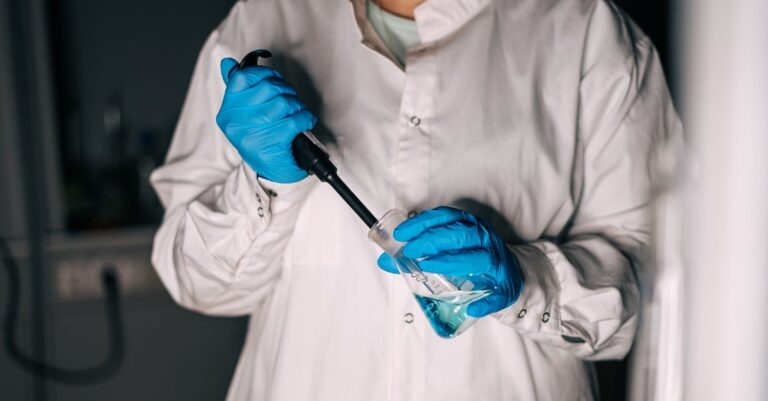
The Challenge Test earns its name because laboratories deliberately expose the cosmetic formulation to high levels of microorganisms. This approach simulates real-life contamination scenarios, such as repeated consumer contact with fingers or applicators during normal use.
ISO 11930 serves as the primary international standard for performing this test. It specifically defines how laboratories must evaluate preservative efficacy. In some markets, authorities may also accept regional standards such as USP or the European Pharmacopoeia.
During inoculation, the laboratory introduces known quantities of standardized microorganisms into the product. These typically include bacteria such as Pseudomonas aeruginosa and Staphylococcus aureus, yeast such as Candida albicans, and mold such as Aspergillus brasiliensis.
After inoculation, the product remains under controlled storage conditions, usually at room temperature. Analysts then measure microbial levels at specific time points, most commonly on days 7, 14, and 28. The evaluation phase focuses on how quickly the preservative system reduces microbial populations and whether it prevents regrowth throughout the test period.
Interpreting the results: pass or fail
ISO 11930 defines clear acceptance criteria to determine whether a product passes or fails the Challenge Test. The standard categorizes these limits as Criterion A or Criterion B.
For example, bacterial populations must typically show at least a 3-log reduction within the first seven days. Microbial counts must then remain low and stable until day 28. When a product meets these requirements, it demonstrates that its preservative system can protect against contamination during normal consumer use.
When a challenge test may not be required
ISO 29621 supports preservative assessment by guiding manufacturers through microbiological risk evaluation. Unlike ISO 11930, it does not test preservative efficacy directly.
This standard allows manufacturers to identify products that qualify as low risk and may not require a Challenge Test. Products with very low or very high pH, high alcohol content, or anhydrous formulations often fall into this category because their composition naturally inhibits microbial growth. Where an exemption is claimed, the safety assessor must record a scientific justification in the Product Information File.
Shelf life, PAO and long-term product integrity
Preservative Efficacy Testing provides scientific evidence that supports the product’s shelf life and PAO declaration. A product may leave the factory free from microorganisms, but it must remain microbiologically stable during storage and daily use. PET demonstrates that the preservative strategy remains effective over time.
Microbial growth can also cause product spoilage. Contamination may lead to changes in color, odor, texture, or pH. These changes make the product unacceptable and potentially unsafe. PET helps prevent these quality failures by verifying long-term protection.
Meeting EU regulatory requirements
In regulated markets such as the European Union, PET is a mandatory element of cosmetic safety assessment. Under Regulation (EC) No 1223/2009, evidence of preservative effectiveness is required for the Cosmetic Product Safety Report.
Manufacturers typically perform the Challenge Test according to ISO 11930. Compliance with this standard demonstrates that the product meets internationally accepted safety criteria. This reduces the risk of product recalls, market withdrawals, and regulatory penalties.
Bringing it all together
Preservative Efficacy Testing goes beyond simple end-product testing. It confirms that the product contains a reliable self-protection mechanism. A validated preservative system ensures that the cosmetic product remains safe, stable, and fit for use under normal and foreseeable conditions, and gives regulators and consumers assurance that quality is maintained across the whole product lifecycle.
Frequently asked questions
Is a challenge test mandatory for every cosmetic product?
No. It is required for water-containing products, which are the majority. Anhydrous formulations, high-alcohol products and formulations with extreme pH may qualify for an exemption under ISO 29621, but the safety assessor must document a scientific justification in the Product Information File.
How long does preservative efficacy testing take?
The standard ISO 11930 protocol runs for 28 days, with measurements typically taken on days 7, 14 and 28. You should allow additional time for laboratory scheduling and reporting on top of the test period itself.
What is the difference between PET and microbiological testing?
Microbiological testing confirms the product is clean at the time of manufacture. PET goes further and proves the preservative system will keep the product protected after the consumer opens it and uses it repeatedly.
What happens if my product fails the challenge test?
The formulation cannot be placed on the EU market as it stands. The preservative system needs to be reformulated — usually by changing the preservative, adjusting its concentration, or modifying pH — and the test must then be repeated on the revised formula.
Need Preservative Efficacy Testing or ISO 11930 guidance? Our specialists are ready to support your cosmetic safety assessment. Get in touch!