Multi-Use Cosmetics: One Product, Several Uses, Several Exposure Calculations
A hair and body wash, a face and body balm, a stick for lips, cheeks and eyes. Each area of use carries its own exposure calculation, and all of them have to hold.



Guides and updates on EU cosmetic & chemical compliance from the Lexora regulatory team.
A hair and body wash, a face and body balm, a stick for lips, cheeks and eyes. Each area of use carries its own exposure calculation, and all of them have to hold.
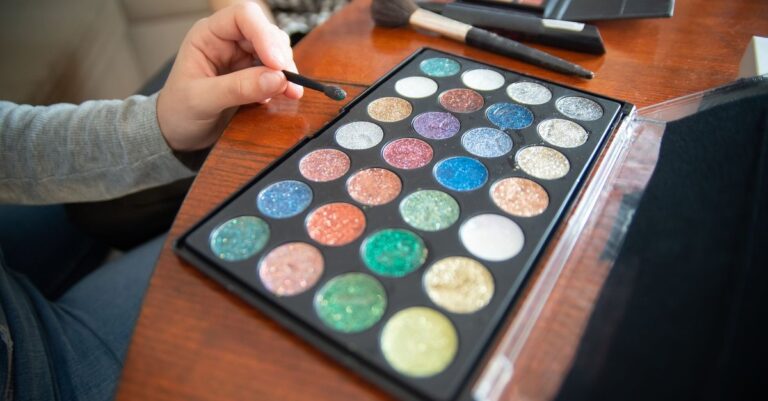
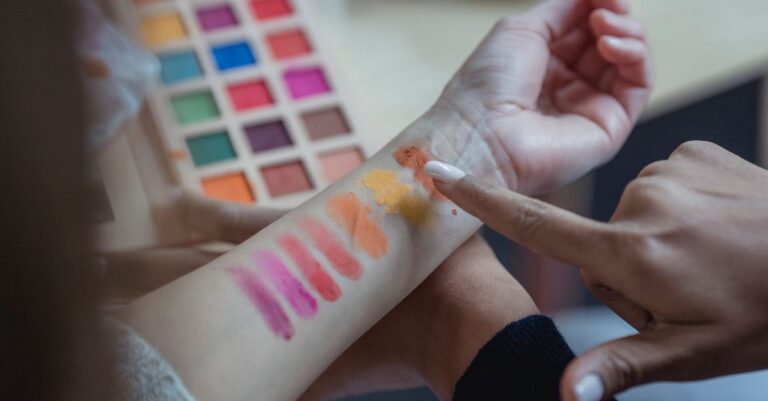
A twelve-pan palette fails on one pan as completely as on all twelve. The colorant, heavy metal and talc checks…
Body products use the highest applied quantity of any leave-on cosmetic, which tightens every limit. The full safety assessment checklist…
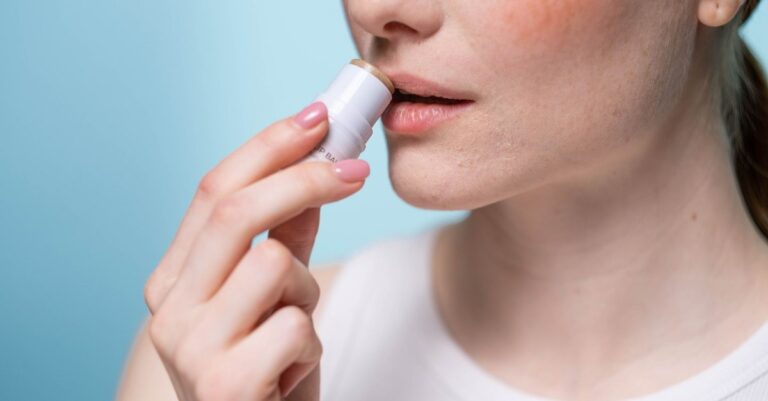
Lip products are assessed against an ingestion route, which tightens colorant and heavy metal limits. What that means for balms,…
Nail polish is the only mainstream cosmetic assessed on what the user breathes. What an assessor examines, which restrictions bite,…
One legal requirement, many different assessments. How the exposure model, the testing set and the annex checks change from one…
What a safety assessor checks in haircare: the rinse-off retention factor, surfactant eye irritation, preservation and MIT limits, fragrance allergens,…
How the margin of safety is calculated in a CPSR: NOAEL, SED, retention factors and dermal absorption, why the threshold…
The SCCS set 0.19% as the safe CBD level for cosmetics in April 2026. Which hemp ingredients are legal, which…
Foundations, powders, mascara and eyeliner raise distinct CPSR issues from skincare: Annex IV colorants, stricter eye-area microbiology, nano pigments, heavy-metal…
Lip products are ingested, so the safety assessor must add oral exposure to the CPSR. Here is how colorants, heavy…
EU law is strict about who can sign a CPSR. Learn the qualifications Article 10(2) requires, what a real safety…